
10 CEO Books for Scaling a Business in 2026 — Organized by What Breaks Next
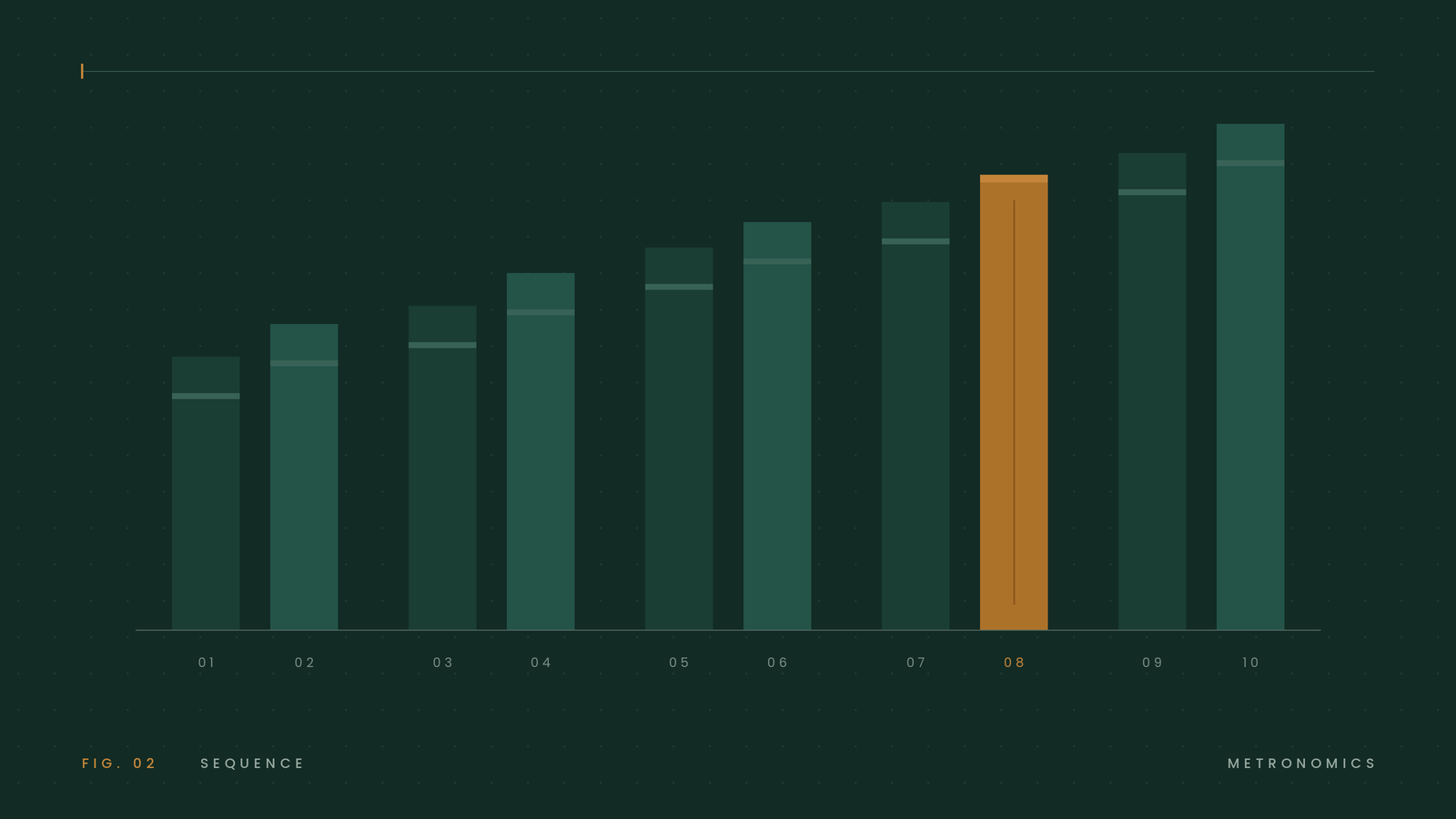
Most "best business books" lists are ranked by fame. This one is ranked by sequence — because scaling problems arrive in a predictable order, and the right book at the wrong stage is just a good idea you can't use yet. Here's the reading path from $5M to $100M, organized by what breaks next.
When the team starts breaking
1. The Five Dysfunctions of a Team — Patrick Lencioni. The first thing that breaks past $5M isn't strategy — it's trust on the leadership team. Lencioni's fable gives you the vocabulary (absence of trust, fear of conflict, lack of commitment) that every later system builds on. Read it with your whole leadership team, not alone.
2. Who — Geoff Smart & Randy Street. Scaling means hiring, and mis-hires at the leadership level cost you a year each. The A-Player scorecard method here is the standard, and it plugs directly into any operating system you adopt later.
When execution starts breaking
3. Traction — Gino Wickman. The book behind EOS. Its gift is discipline: meetings, scorecards, accountability. Thousands of companies got their first real operating rhythm from it. Its ceiling — and most CEOs hit it around $10M–$30M — is strategy and cash, which it deliberately leaves out.
4. Scaling Up — Verne Harnish. The comprehensive classic: People, Strategy, Execution, Cash, with the One-Page Strategic Plan and the Rockefeller Habits. Enormously valuable — and famously a lot to absorb at once. Many teams implement 20% of it. (Harnish wrote the foreword to The Metronome Effect; this lineage runs deep.)
When strategy starts breaking
5. Good to Great — Jim Collins. The research classic: Level 5 leadership, the Hedgehog Concept, the Flywheel, and the BHAG. Collins tells you what great looks like over decades. He leaves the quarter-by-quarter how to others — which is exactly where the next book picks up.
6. 3HAG WAY — Shannon Byrne Susko. The bridge nearly every scaling company is missing: between the 10-year BHAG and next quarter's priorities sits the 3HAG™ — a 3-Year Highly Achievable Goal mapped month by month, with a named core customer, an Attribution Framework to find your white space, and 12-quarter Swimlanes your team can actually execute. The subtitle says it plainly: so your strategy is not a wild-ass guess.
7. Crossing the Chasm — Geoffrey Moore. If you sell anything technology-adjacent, the gap between early adopters and the mainstream is where growth quietly dies. Moore explains the beachhead discipline that gets you across.
When everything must work together
8. Metronomics — Shannon Byrne Susko. The integration layer. Collins covers strategy concepts, Lencioni covers team health, Harnish covers execution — and most CEOs play whack-a-mole between them. Metronomics connects the best of all of it into one compound growth system: 7 systems, installed one per quarter, told through a fictional CEO's three-year journey. Susko built and exited two companies on this exact system, which is why it reads like a manual, not a theory. (All four of her books here.)
9. The M Game — Shannon Byrne Susko. The 90-minute version for the CEO who won't get through 300 pages this quarter: every winning team needs a playbook, a scoreboard, and a coach. Hand it to your leadership team the week before annual planning.
When it's time to think about the endgame
10. Finish Big — Bo Burlingham. Almost nobody reads about exits until they're in one — which is years too late. Burlingham's interviews with founders who exited well (and badly) will change decisions you're making right now, long before a buyer calls.
If you only read three: Five Dysfunctions for the team, 3HAG WAY for the strategy, Metronomics for the system that holds it all together.
And the honest caveat from someone who read four books a week for two years while scaling her first company: books alone don't scale companies. Shannon Byrne Susko read everything on this list's shelf and still couldn't find momentum until the frameworks were connected into one system — with a coach. Read the books; then build the system.
Frequently Asked Questions
What's the best book on scaling a business from $5M to $50M?
For that specific range, 3HAG WAY and Metronomics are the most directly applicable — they're written for CEO-led companies between $5M and $100M, by a founder who scaled and sold two of them. Scaling Up is the strongest companion classic.
Should I read Traction or Scaling Up first?
Traction if your team has no operating rhythm at all; Scaling Up if you have basic discipline and need breadth. Either way, expect to outgrow the execution-only layer — that's normally when CEOs find the 3HAG™.
In what order should my leadership team read these?
Five Dysfunctions first (shared vocabulary), then 3HAG WAY before your next annual planning session, then Metronomics as you implement. The M Game works as the quick primer for new leaders joining mid-journey.